Every country has its iconic bread.
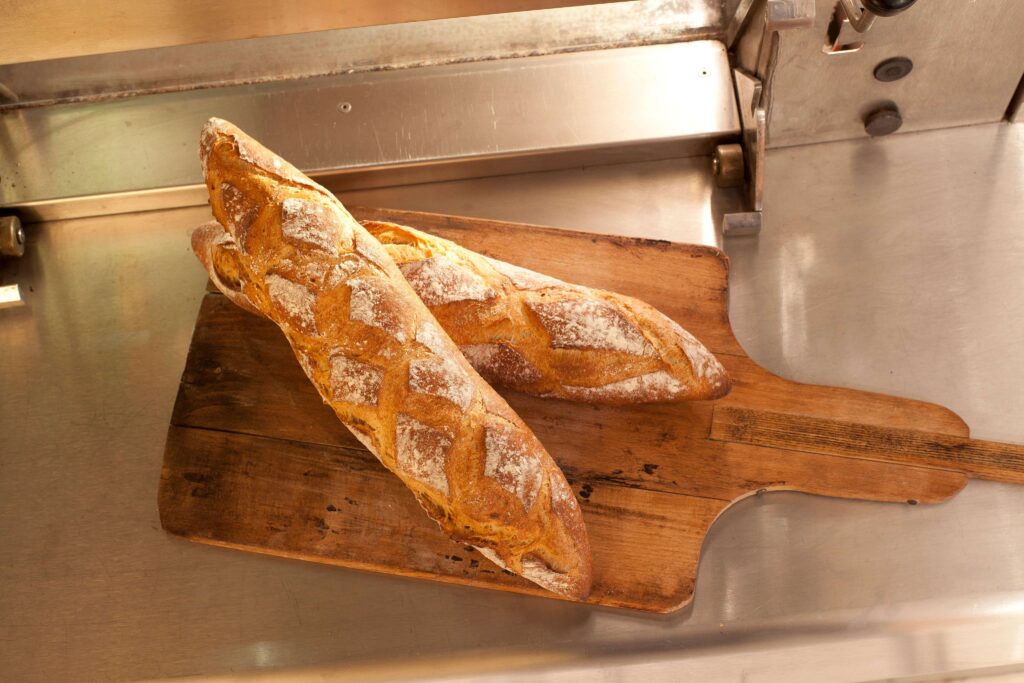
For France, it’s undoubtedly the baguette.
Simple at first glance, just flour, water, salt and yeast, but anyone who has spent time in a bakery knows that producing an exceptional baguette is one of the greatest challenges in baking because the fewer ingredients, the more each ingredient matters.
A traditional French baguette contains only four ingredients:
- Flour
- Water
- Salt
- Yeast
That’s it.
There is nowhere to hide imperfections. Every decision made by the baker, from flour selection and mixing to fermentation, shaping, scoring and baking, directly influences the final product.
When everything comes together, the result is remarkable.
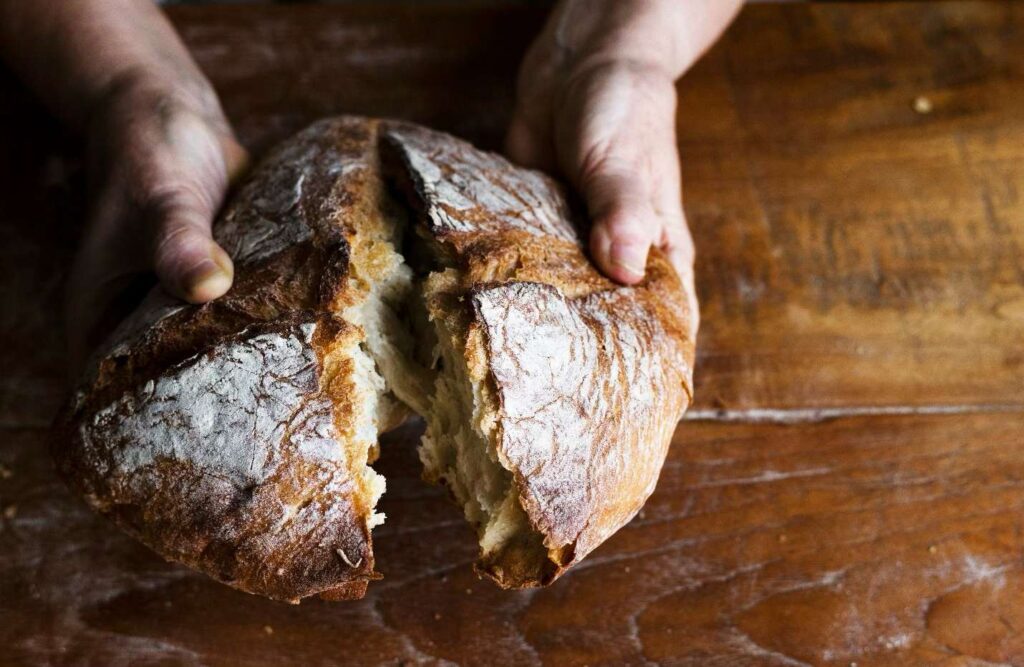
- A thin caramelized crust that crackles as you break it.
- An open, creamy crumb with beautiful irregular alveoli.
- A delicate aroma of toasted wheat, butter and subtle fermentation notes.
- This is what makes a baguette unforgettable.
What Makes a Great Baguette?
As bakers, we often evaluate a baguette long before taking the first bite.
We look for:
- Well-developed volume and oven spring
- Beautifully opened scores and well-defined ears
- A rich golden-brown crust
- A thin, crispy crust that shatters rather than cracks
- An open, irregular crumb structure
- A balanced flavour with subtle fermentation aromas
Each of these characteristics is the result of hundreds of small decisions made throughout the baking process.
There is no shortcut.
Fermentation: The Heart of the Baguette
People often focus on flour quality, but fermentation is where much of a baguette’s personality is created.
During fermentation, yeast does much more than produce carbon dioxide.
- It develops aroma.
- It strengthens the dough.
- It contributes to crust colour.
- It creates the beautiful crumb structure that bakers strive for.
Good fermentation creates great bread.
Supporting Fermentation with the Right Ingredients
While the baker’s skill remains the deciding factor, the quality of the fermentation ingredients plays a crucial role in unlocking the full potential of a baguette.
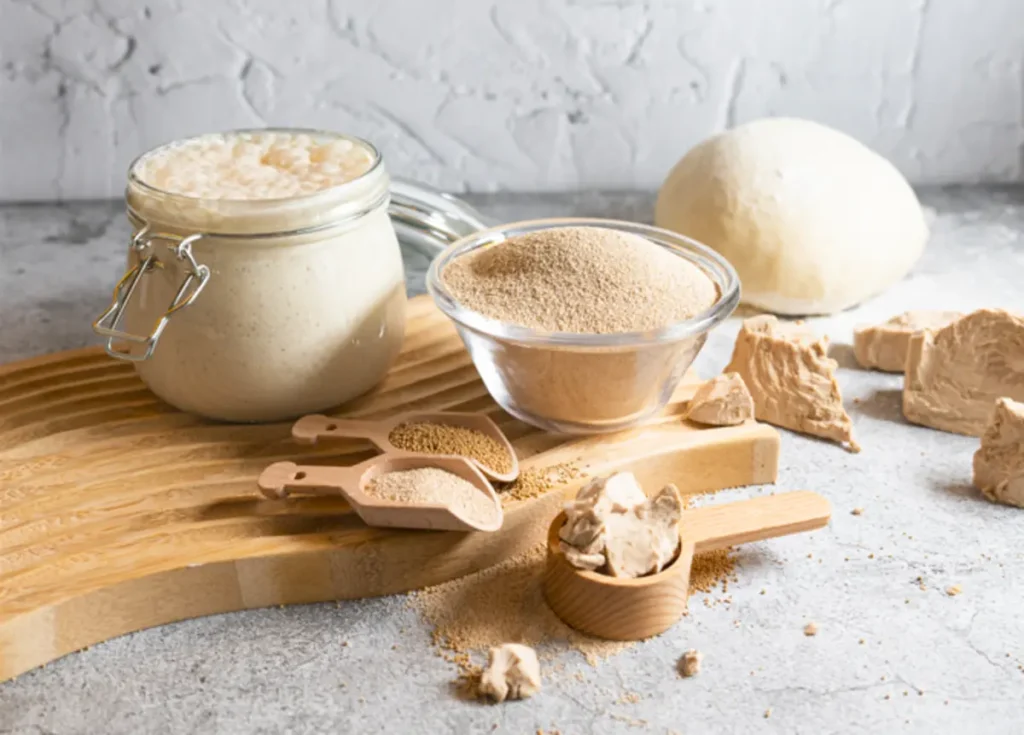
For more than 170 years, Lesaffre has dedicated its expertise to understanding fermentation. Through continuous research and close collaboration with bakers around the world, Lesaffre has developed premium baker’s yeasts and sourdough cultures designed to deliver consistent performance while enhancing the sensory qualities of bread.
A quality yeast ensures reliable fermentation, strong oven spring and balanced dough development. Combined with carefully selected sourdough cultures, it helps develop richer aromas, subtle fermentation notes and greater depth of flavour while respecting the natural taste of the flour.
Whether producing a traditional French baguette or adapting recipes to local tastes and production requirements, having access to high-quality fermentation solutions allows bakers to combine consistency, craftsmanship and flavour in every loaf.
At Lesaffre, we believe fermentation is much more than making dough rise, it’s about helping bakers create breads that people remember.
Respecting Tradition While Embracing Innovation
One of the reasons to love baguettes is that they perfectly illustrate the balance between tradition and innovation.
The techniques may be centuries old, but today’s bakers continue improving through better ingredients, deeper fermentation knowledge and continuous learning.
Innovation doesn’t replace craftsmanship. It supports it. The baker will always remain the most important ingredient.
Every exceptional baguette tells a story.
The story of a miller producing quality flour.
The story of a baker investing time in proper fermentation.
The story of carefully selected ingredients working together.
Behind every successful fermentation is yeast quietly doing their job.
As professionals, our responsibility isn’t simply to bake bread.
It’s to create products that people remember.
Because when someone bites into a truly great baguette, they may not know exactly why it’s exceptional …but they’ll certainly taste the difference.